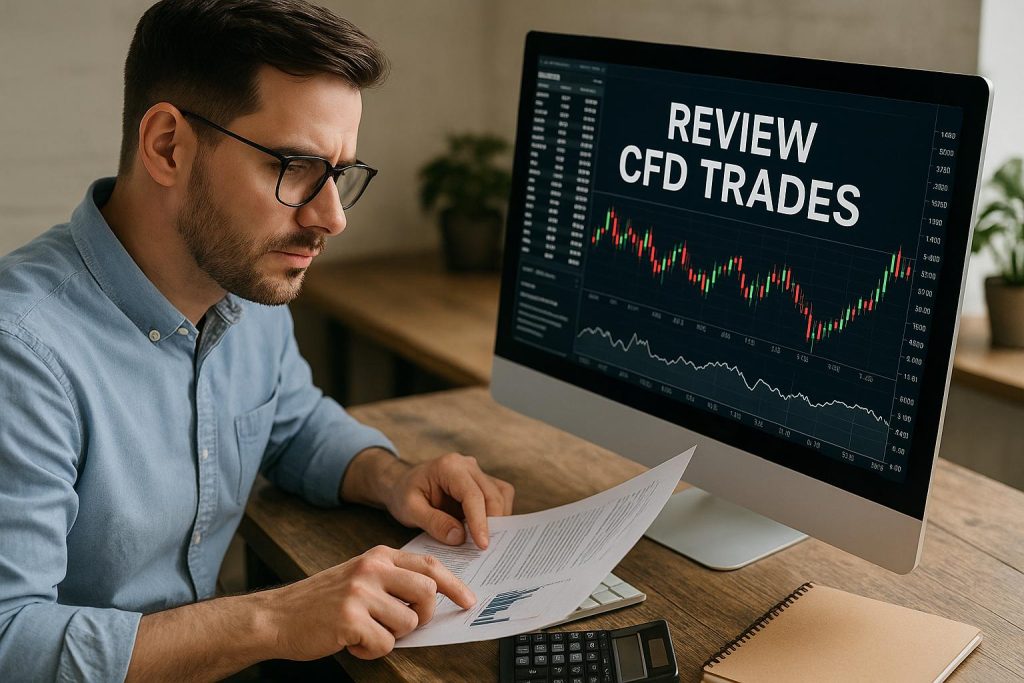
Understanding and analyzing CFD (Contracts for Difference) trades is crucial for any trader. To fully grasp the intricacies of each trade decision, one must delve deeply into the various elements that contribute to these choices.
The first step in reviewing a CFD trade is evaluating the market conditions that were present at the time of the trade. A thorough analysis involves a close look at the overarching market trends and how these trends might have had an impact on market movements. Factors such as fundamental news, which might include economic reports or geopolitical events, play a significant role in shaping these trends. Understanding the influence of technical indicators on your decisions also falls under this evaluation. Considering how these elements intersect helps to form the broader context in which your trades were made.
The precise points at which you enter and exit a trade are pivotal. A detailed analysis of these points helps illuminate the rationale behind your decisions, shedding light on what made a particular entry or exit seem optimal at its time. Technical analysis tools may indicate overbought or oversold conditions, influencing your choice. Fundamental news events might also prompt a strategic move. Understanding whether the entry and exit points were based on such indicators, and what they suggested at the time, is key to understanding your trading outcomes.
Referring to historical data can provide significant insights. Observing whether similar scenarios occurred in the past can help traders understand potential outcomes. Analyzing past data is not just about recounting old successes or failures. Rather, it serves as a method to spot recurring patterns or strategies that have yielded positive outcomes, allowing you to refine and adapt your approaches for future trades.
Effective risk management strategies are fundamental to maintaining balance and minimizing losses in trading. This involves reviewing each trade to determine whether a stop-loss order or similar precautionary measures were in place and assessing their effectiveness. Risk management is not merely about preventing losses but also about setting realistic expectations for gains. By evaluating your approaches, you can develop more nuanced risk management tactics tailored to your trading style.
An often-overlooked aspect of trading is the influence of emotions. Reflecting on your emotional state during trades can reveal if decisions were affected by sentiments such as the fear of missing out (FOMO) or panic selling. Developing a more disciplined trading mindset requires understanding how these emotional influences come into play. Establishing mental strategies to manage emotions ensures that they do not impair future trading decisions. This process, though introspective, is crucial for cultivating stability and confidence in trading.
Creating a comprehensive trading journal is an invaluable step in the learning process. This journal should document every aspect of each trade, including entry and exit points, reasons for the trade, prevailing market conditions, and the strategies employed for risk management. Additionally, documenting your emotional state during trades is important for reflecting on the psychological aspects that might have influenced your decisions. This journal becomes an essential tool for revisiting and learning from past experiences.
Setting aside regular intervals—be it weekly, bi-weekly, or monthly—for reviewing your trades is vital for personal growth as a trader. These sessions allow for systematic analysis, aiding in pinpointing patterns and areas where mistakes commonly occur. Such evaluations are not merely exercises in retrospection but are opportunities to develop strategies that alleviate identified weaknesses and bolster identified strengths.
The use of trading tools and software is indispensable in the modern trading environment. Such technological aids provide in-depth analysis and reporting features that help you gain insight into your trading habits and profitability metrics. Choosing tools that align with your specific trading style and the unique demands of CFD trading is essential for maximizing their utility.
Continuous education is pivotal in the evolving landscape of financial markets. Staying informed about market trends, exploring new trading strategies, and remaining aware of the latest economic news can significantly affect your trading acumen. Engaging in webinars, consuming financial news, and joining trader communities for knowledge exchange are all ways in which continuous education can be pursued.
With the data from your analyses and documented experiences, the final step is the implementation of these lessons into your future trading strategies. This is not a static process but rather a dynamic one that requires ongoing evaluation and adaptation. By incorporating these lessons, traders can make more informed decisions, ultimately improving their success rate over time.
In summary, the process of reviewing and learning from CFD trades requires a holistic approach. Understanding the various elements such as market conditions, decision analyses, risk management, emotional factors, and educational growth is fundamental to this process. By actively implementing strategies derived from these insights, traders can enhance their decision-making abilities, adapt to varying market conditions, and gradually build a more successful trading portfolio.