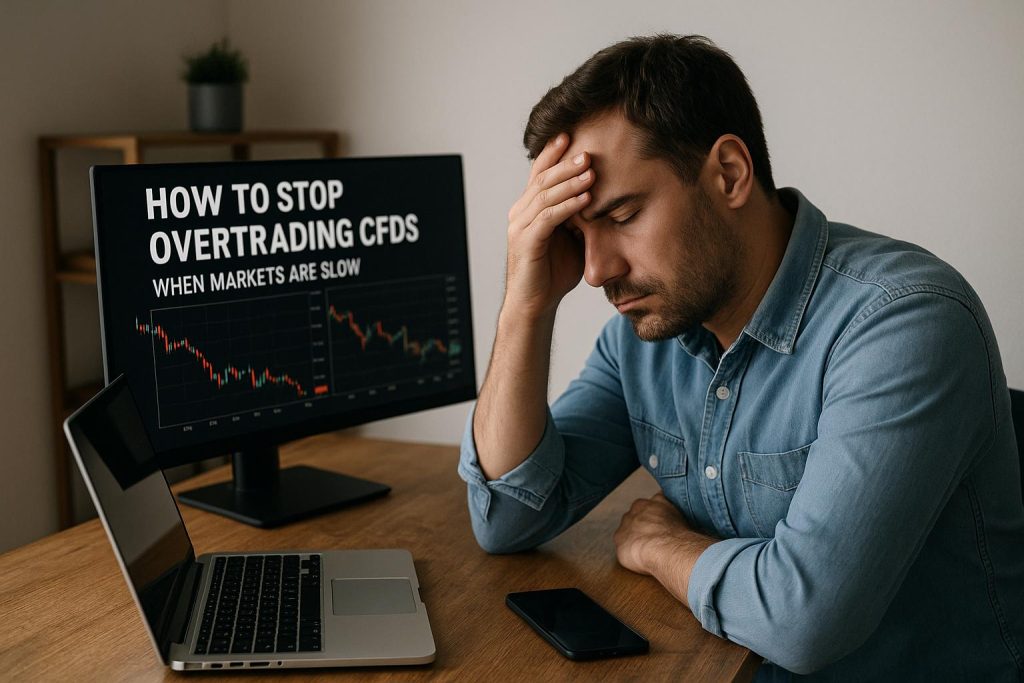
In the realm of trading, particularly with CFDs (Contracts for Difference), there exists a phenomenon known as overtrading. This can become a significant issue, especially during market conditions characterized by slowness or stagnation. As a concept, overtrading involves executing an excessive number of trades within a brief timeframe. Traders are often driven by a compelling desire to generate profits, even when market conditions aren’t favorable. Unfortunately, such behavior usually leads to increased transaction costs and can result in substantial financial losses. Understanding the underlying causes of overtrading is a pivotal first step toward exercising control over this behavior.
The journey to avoiding overtrading begins with an ability to recognize the triggers that fuel this behavior. Commonly, triggers include factors like boredom, an intense desire to quickly recover from losses, and a misguided belief that heightened trading activity will somehow yield profits even in a lackluster market. To effectively manage overtrading, it is imperative to identify these emotional responses and comprehend how they influence trading decisions. By doing so, traders can take meaningful steps to curb tendencies toward overtrading.
One prominent strategy in combating overtrading is the establishment of well-defined trading goals. These objectives should clearly outline what a trader aims to achieve—be it a particular return on investment or acquiring practical learning experiences. Possessing solid and clear objectives can effectively guide trading activities, thereby averting unnecessary and potentially detrimental trades.
A crucial component of disciplined trading is the development of a comprehensive trading plan. This plan should encompass rules for entering and exiting trades, factoring in aspects such as personal risk tolerance, target profits, and acceptable loss margins. Committing to this plan consistently helps in maintaining discipline and focus, greatly reducing the temptation to engage in overtrading, particularly during periods when the market is slow.
Imposing trading limits is an advantageous tactic in regulating trading habits. By setting a maximum number of trades permissible within a certain timeframe, whether it be daily, weekly, or otherwise, traders can inhibit the reflexive urge to trade incessantly. Limiting trades encourages a more thoughtful approach, focusing on quality rather than quantity.
An additional tool available to traders for managing risk and aiding in decision-making is the stop-loss order. This mechanism automatically closes a trading position when the price moves unfavorably by a predefined margin. Such orders can prevent significant losses and discourage traders from making impulsive decisions that could worsen their position.
In today’s digital age, there exists a plethora of trading tools and platforms designed to assist traders. These platforms offer features that facilitate the monitoring and controlling of trading activities. By utilizing these technological resources, traders can track their trades effectively and receive notifications once they hit their predetermined trading limits. This technological support plays a crucial role in enforcing trading discipline.
Emotional intelligence is a valuable asset for any trader. Being attuned to one’s emotions and understanding their impact on trading decisions is instrumental in keeping overtrading at bay. Techniques that promote mindfulness, incorporating regular breaks from the trading screen, and engaging in stress management practices contribute to a balanced approach to CFD trading.
Continuously building upon one’s understanding of trading concepts and market dynamics can instill the confidence needed to adhere to a trading plan. Engaging in educational activities, whether through webinars, specialized courses, or absorbing content from expert articles, ensures that traders remain informed and are less likely to react impulsively to stagnant market conditions.
For traders seeking further support, connecting with professional traders or mentors can be immensely beneficial. These seasoned individuals provide invaluable insights into market behavior and share effective trading strategies. Personalized advice from professionals can be particularly helpful in addressing tendencies towards overtrading, especially in slower markets.
Trading CFDs in slow markets introduces unique challenges that may encourage traders toward overtrading. By recognizing the triggers, setting crystal-clear goals, utilizing advanced trading tools, and maintaining emotional control, traders can substantially mitigate the risks associated with overtrading. Furthermore, ongoing education and seeking professional guidance solidifies a disciplined and strategic approach to trading, enabling traders to navigate markets with clarity and restraint.