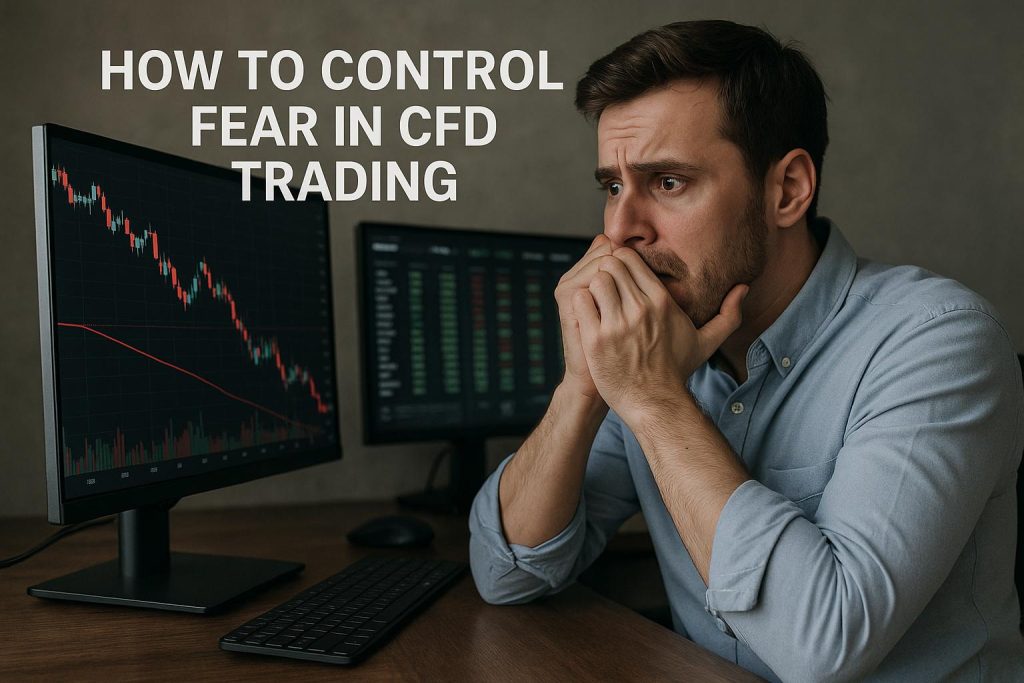
Fear is a natural emotion that can significantly impact a trader’s performance. When it comes to Contract for Difference (CFD) trading, fear can lead to poor decision-making, such as pulling out of trades too early or hesitating to enter potentially profitable trades. To successfully manage fear, it is essential to understand its origins and effects.
Fear, a deep-seated human response, often springs from uncertainty and risk, both of which are intrinsic to trading activities. In CFD trading, this emotion particularly manifests due to the high stakes involved. Contract for Difference is a derivative trading product that allows traders to speculate on the price movements of a wide range of assets, such as stocks, commodities, and indices. Unlike traditional trading where ownership of the asset is a factor, CFD trading focuses solely on price speculation, offering both opportunities and risks. Thus, the absence of asset ownership may amplify the insecurity traders feel, exacerbating fear.
Several factors contribute to the fear experienced by traders in the CFD market. A deep dive into these causes provides a better understanding of how to counter them effectively.
Market Volatility: The inherent volatility in CFD trading can trigger fear among traders. Sudden price swings may cause anxiety and doubt. The CFD market is often characterized by rapid and unpredictable price changes, which can unfurl without warning. This volatile nature requires traders to stay constantly alert and make swift decisions, which can be daunting and foster a climate of hesitation and fear.
Lack of Experience: Novice traders may experience fear due to a lack of understanding of market dynamics and trading strategies. Inexperienced traders are often overwhelmed by the complexities of the market, from understanding technical charts to interpreting economic indicators. This knowledge gap can lead to a feeling of being unequipped to successfully navigate the market, resulting in heightened anxiety and fear.
Emotional Attachment: Traders often develop an emotional attachment to their positions, fearing losses that could affect their financial stability. Such attachments can cloud judgment, leading traders to hold onto losing positions in the hope they might turn around, or exit profitable trades prematurely due to anxiety over potential loss. This emotional involvement complicates decision-making, as traders struggle to remain objective and focused on their pre-defined trading strategies.
Managing fear effectively is crucial for making rational and profitable trading decisions. Employing certain strategies can help traders mitigate these emotional responses.
Education and Training: One effective way to control fear is through comprehensive education and training. Understanding market fundamentals and trading strategies can reduce uncertainties. Consider online courses or workshops from reputable organizations. In-depth knowledge and continual learning can empower traders, equipping them with the confidence needed to navigate the complexities of CFD trading. A strong foundational understanding diminishes the unknowns, which often feed fear.
Developing a Trading Plan: A well-defined trading plan ensures that traders have clear guidelines to follow, reducing fear-induced decisions. This plan should include entry and exit strategies, risk management practices, and position sizing. A clear roadmap provides direction and can act as a guiding beacon amidst the often turbulent market conditions, helping traders stay focused and less likely to make rash decisions driven by fear.
Managing risk effectively can alleviate fear in CFD trading:
Stop-Loss Orders: Implementing stop-loss orders helps in limiting potential losses, making traders less fearful of market fluctuations. Stop-loss orders are predetermined instructions to sell an asset when it reaches a certain price, serving as a safety net that protects traders from significant losses, thereby decreasing anxiety associated with unrestrained downside risks.
Position Sizing: Proper position sizing ensures that each trade only risks a small portion of the trading capital, thus limiting potential losses. Thoughtful position sizing ensures that no single trade can inflict detrimental damage to the trading account, thus fostering a more composed approach to trading.
Emotional discipline is crucial for managing fear. Establishing and maintaining emotional control can prevent fear from overtaking reason.
Mindfulness and Relaxation Techniques: Practicing mindfulness and relaxation can help traders maintain a calm demeanor. Techniques such as deep breathing or meditation can be beneficial. Engaging in regular mindfulness practices can enhance emotional stability, keeping traders grounded and less likely to be swept away by fear.
Regularly Reviewing Performance: Regular review of trading performance enables traders to learn from their mistakes and successes, fostering confidence and reducing fear. Performance reviews encourage reflective learning, allowing traders to identify patterns in their behavior and refine their strategies accordingly. Recognizing and understanding past mistakes can prevent their recurrence, and success can build the self-assurance needed to make informed trading decisions.
Engaging with a community of like-minded traders can also help in managing fear. Sharing experiences and strategies may provide new insights and emotional support. Online forums and discussion groups can be useful platforms for networking and learning. Being part of a trading community provides valuable feedback and reassurance, contributing to a broader perspective and a more robust support system that can help alleviate individual fears about trading.
Fear in CFD trading is inevitable but manageable. By understanding its sources, developing a structured trading approach, and cultivating emotional discipline, traders can reduce anxiety and improve decision-making. Implementing thoughtful strategies, such as education, risk management, and community engagement, can provide the foundation needed to combat fear effectively. For those willing to invest time and effort into these areas, the potential rewards in terms of trading success and personal confidence can be substantial. For more information on enhancing your trading skills and strategies, consider exploring resources from CMC Markets or IG Group.